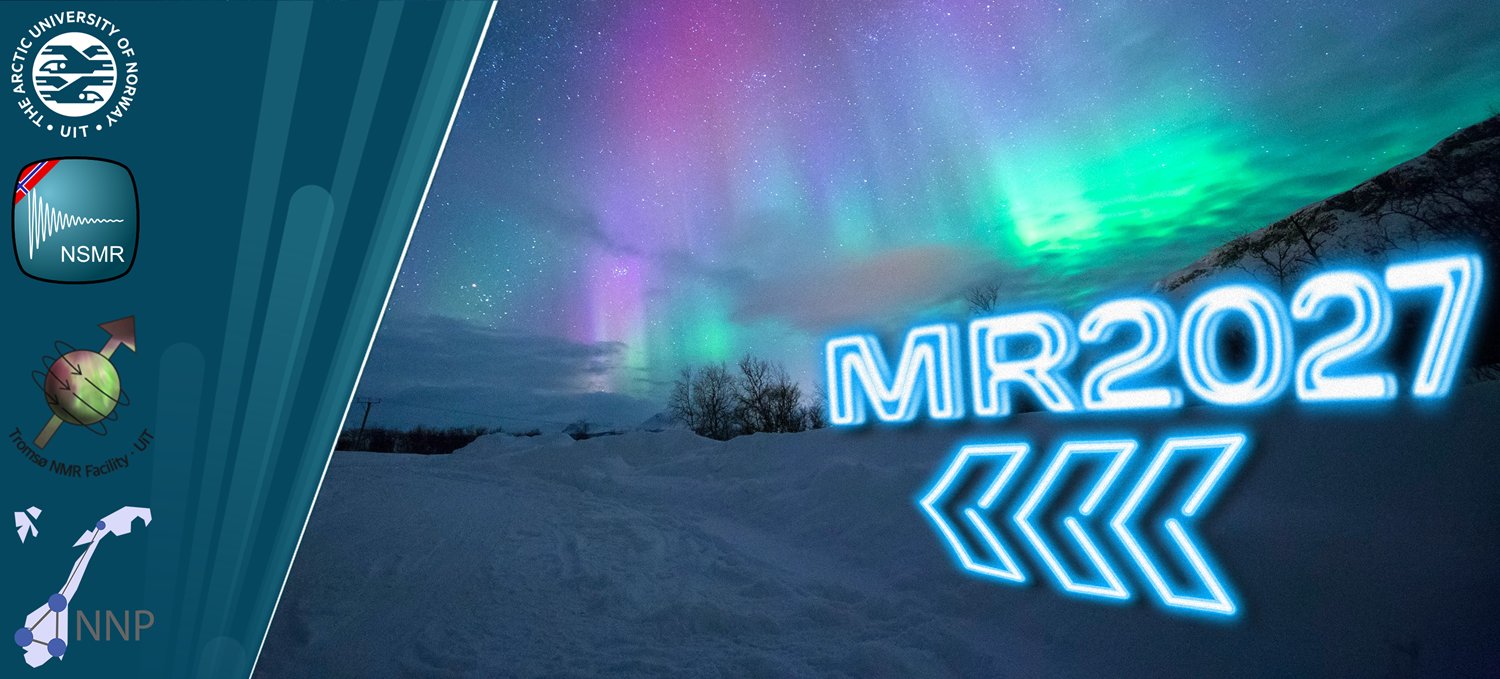
MR2027 – 21-23. April 2027!
Marking the 19th national MR meeting, this years conference will be held in the far north, beyond the Arctic Circle – Tromsø, or more specifically, the island of Sommarøy!
Plenary Speakers
Prof. Dr. Christina Thiele from the Technical Univerisity of Darmstadt
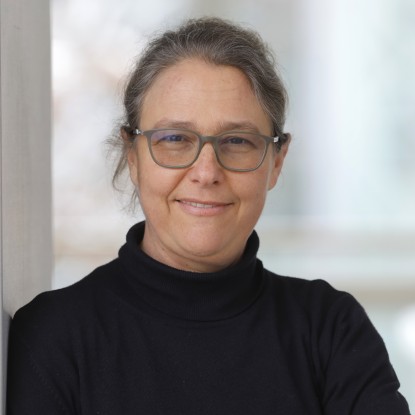
Christina Thiele and her groups efforts focus mainly on structure elucidation of complex organic compounds through NMR spectroscopy. Notably, they have contributed to the field of anisotropic NMR, with the development of polymeric alignment media, allowing the observation of residual dipolar couplings.
Key publication:
Prof. Dr. Peter Güntert from ETH Zürich
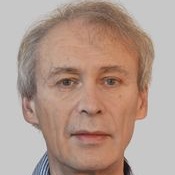
Peter Güntert has extensive contributions in various fields ranging from molecular biology to biomolecular NMR, as well as machine learning. Güntert, along with co-authors Dr. Piotr Klukowski and Prof. Dr. Roland Riek, developed NMRtist and ARTINA, which are deep-learning based projects designed to automate routine NMR tasks such as peak picking, chemical shift analysis and structure determination.
Key publication:
Assistant Prof. Paul Klauser from the University of Lusanne
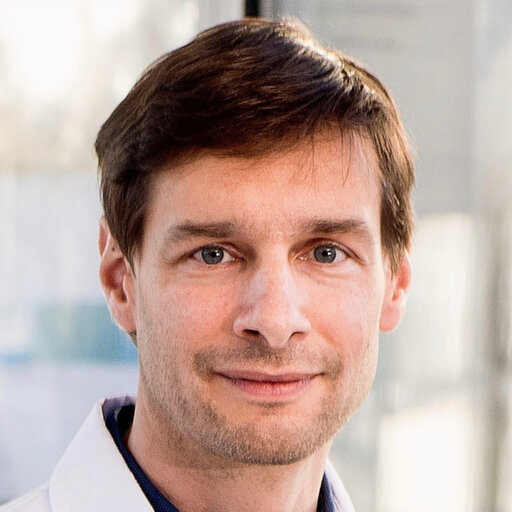
Paul Klauser and his group research human conditions such as psychosis through both clinical studies and neuroscience, with the goal of early detection, treatment and understanding the underlying mechanisms. One of the methods employed is brain MRI, where developments have been made to allow measurement of concentration changes of molecules in the brain.
Key publication:
Prof. Mikael Akke from Lund Univeristy

Mikael Akke and his group mainly studies protein dynamics using NMR and MD, with the goal of studying various protein interactions from ligand binding to misfolding and aggregation. Of note, they have gained insights into how conformational entropy and transient high-energy conformations can mediate protein allostery and ligand binding.
Key publication: Stenström O, Diehl C, Modig K, Akke M. (2024) “Ligand-induced transition state stabilization of protein conformational change switches the binding pathway from conformational selection to induced fit” Proc. Natl. Acad. Sci. U.S.A., 121, e2317747121. doi:10.1073/pnas.2317747121
Prof. Mathias Nilsson from The University of Manchester
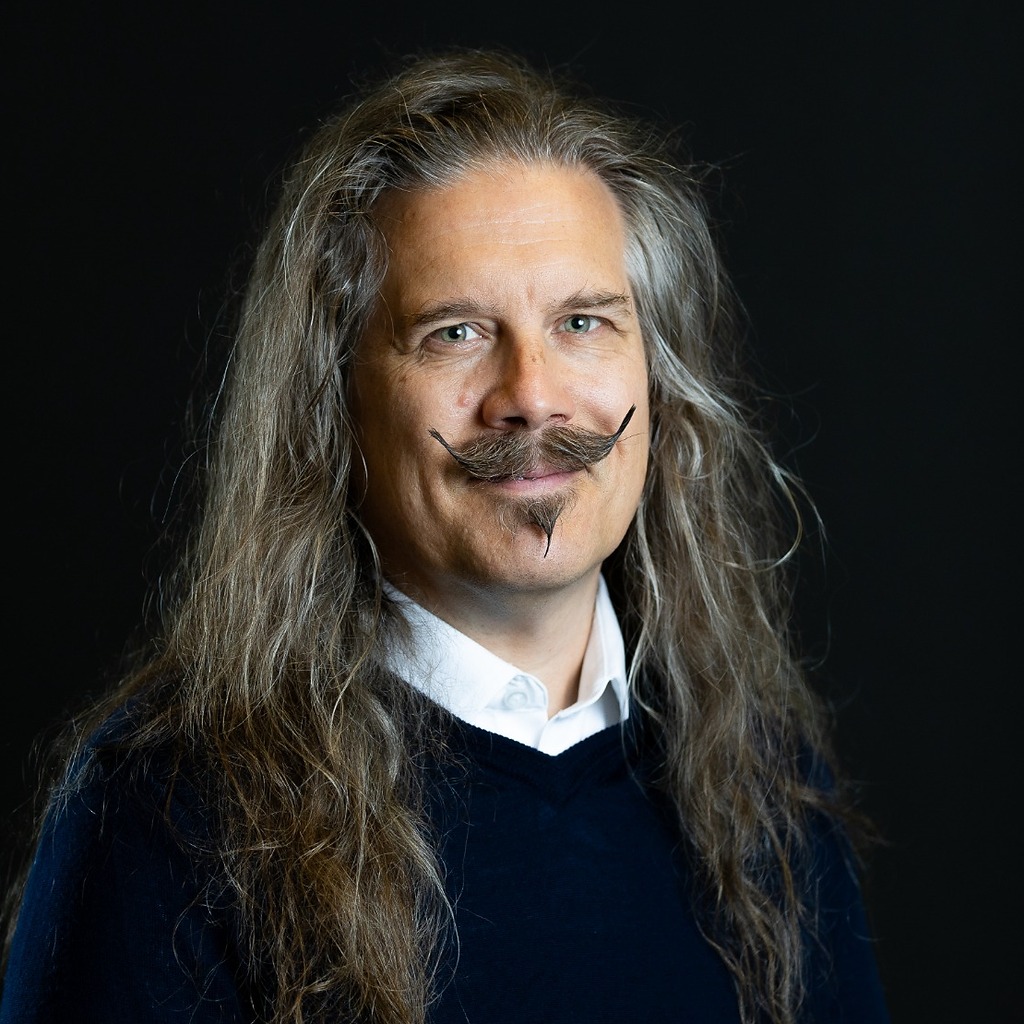
Mathias Nilsson and his group’s work spans pulse sequence design, acquisition strategies, and data-processing tools, applied to problems ranging from reaction monitoring to mixture characterisation and the analysis of formulated materials. A consistent emphasis is on practical methods that non-specialists can deploy on existing instruments, and on releasing them openly — the GNAT software package, written and maintained in Manchester, is in daily use in academia and industry.
Key publication:
Sponsors